
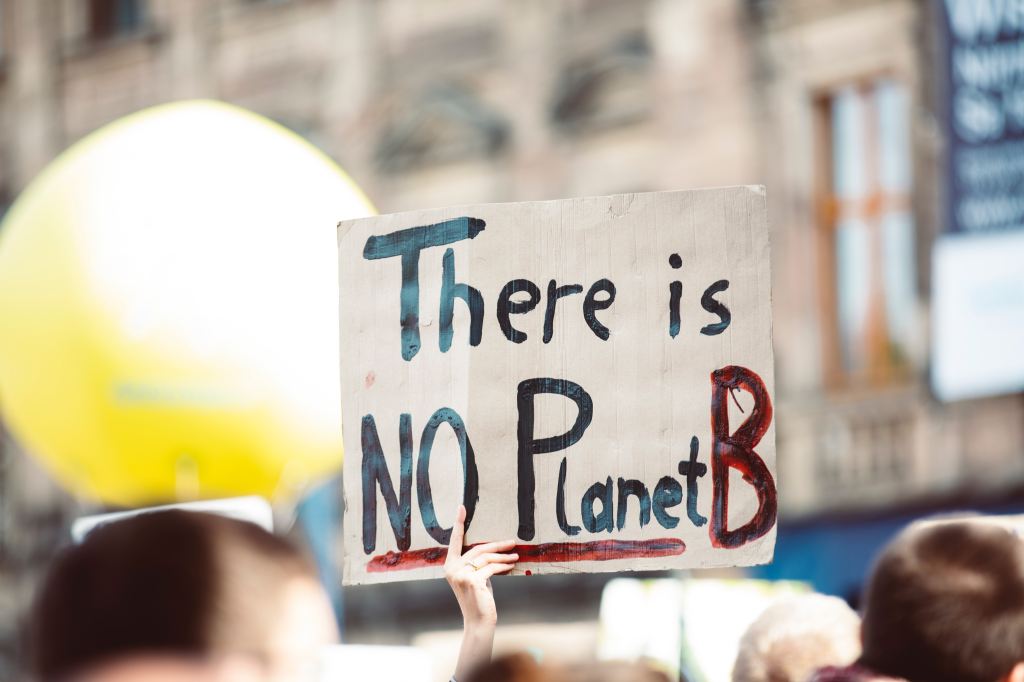
As a part of the TransformTO Net Zero Strategy, the City of Toronto and a team from the University of Toronto, together with Toronto’s youth leaders and community, are developing a strategy to support broader youth engagement in climate action. We’re running a year-long engagement process with youth (ages 10–25) to develop a Youth Climate Action Engagement Strategy for Toronto.
About
The Youth Climate Action in Toronto (Y-CAT) project is developing a strategy for the City of Toronto to support broader youth engagement in climate action (funded by the City of Toronto) and, at the same time, we’re also an action research project (funded by the University of Toronto through the Climate Positive Energy Initiative). We want this project to support and amplify the work that young people in Toronto are already doing so we’re co-designing and co-delivering the project with youth climate organizers, youth-led organizations, and youth-focused organizations. This project takes an equity-centred approach by prioritizing anti-oppression, equity-deserving communities, reconciliation, accessibility, and building meaningful partnerships. We will conduct a year-long engagement with young people ages 10–25 and deliver a final report and a strategy in late 2024. Our goal is to develop a city-wide youth engagement strategy that will inspire and enable youth leadership in climate action in Toronto. Along the way, we’ll learn together and create collective impact. We look forward to getting this work started.
For further information, contact project lead Laura Tozer (laura.tozer [at] utoronto.ca), professor at the University of Toronto and director of the IMPACT Lab, which is a community-based and policy-engaged research group focused on climate change policy and action.
Outputs

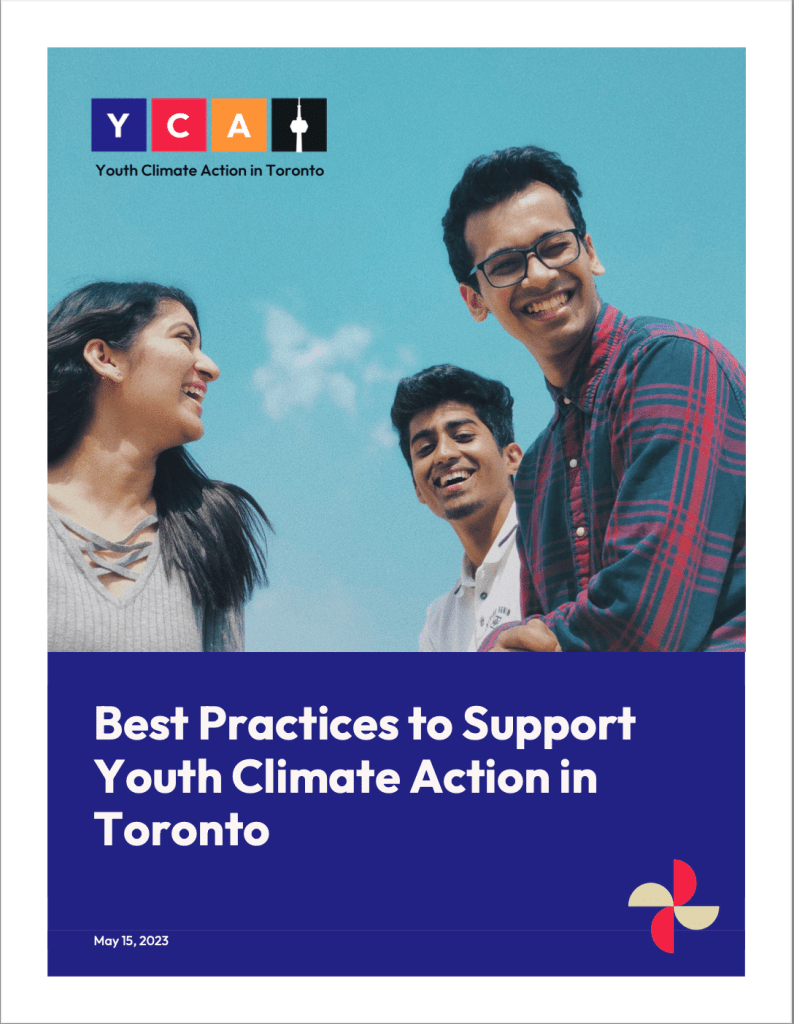
Best Practices to Support Youth Climate Action in Toronto Report
The City of Toronto and a team from the University of Toronto together with Toronto’s youth leaders and community are developing a strategy to support broader youth engagement in climate action as a part of the TransformTO Net Zero Strategy. This report is a first step. It’s an overview of what’s been done so far and how it will inform the consultation and strategy building process going forward over the next year. Work to date includes a jurisdictional scan and literature review of relevant best-practices, as well as interviews with relevant stakeholders including City staff, youth climate activists and youth engagement specialists.
The first section of this report provides an overview of potential pathways for civic youth engagement in climate action drawing on examples from existing programs in North America. The second section outlines key principles to support broader youth engagement in climate action.
 Youth Climate Action in Toronto